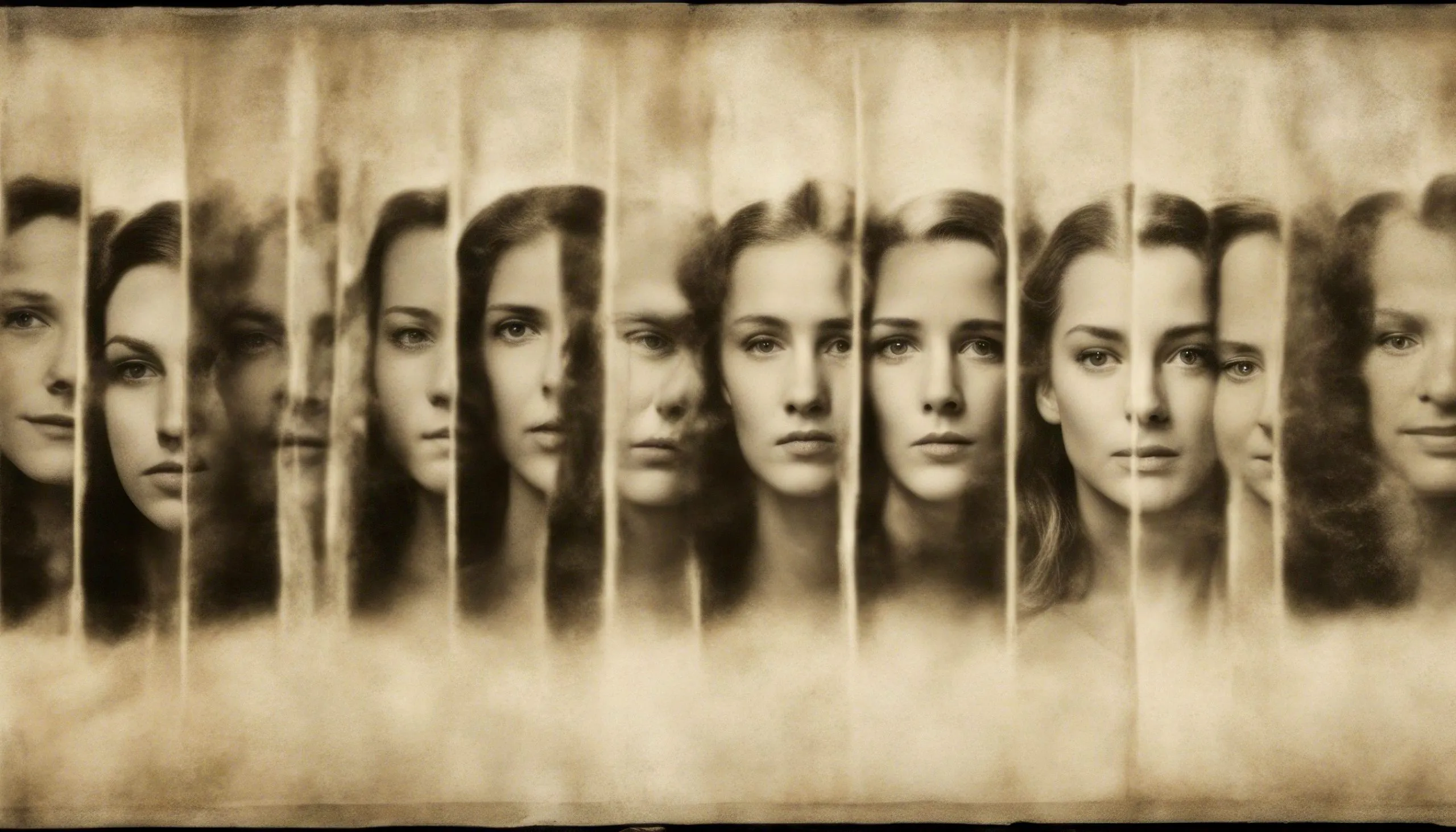
Analysis of datasets
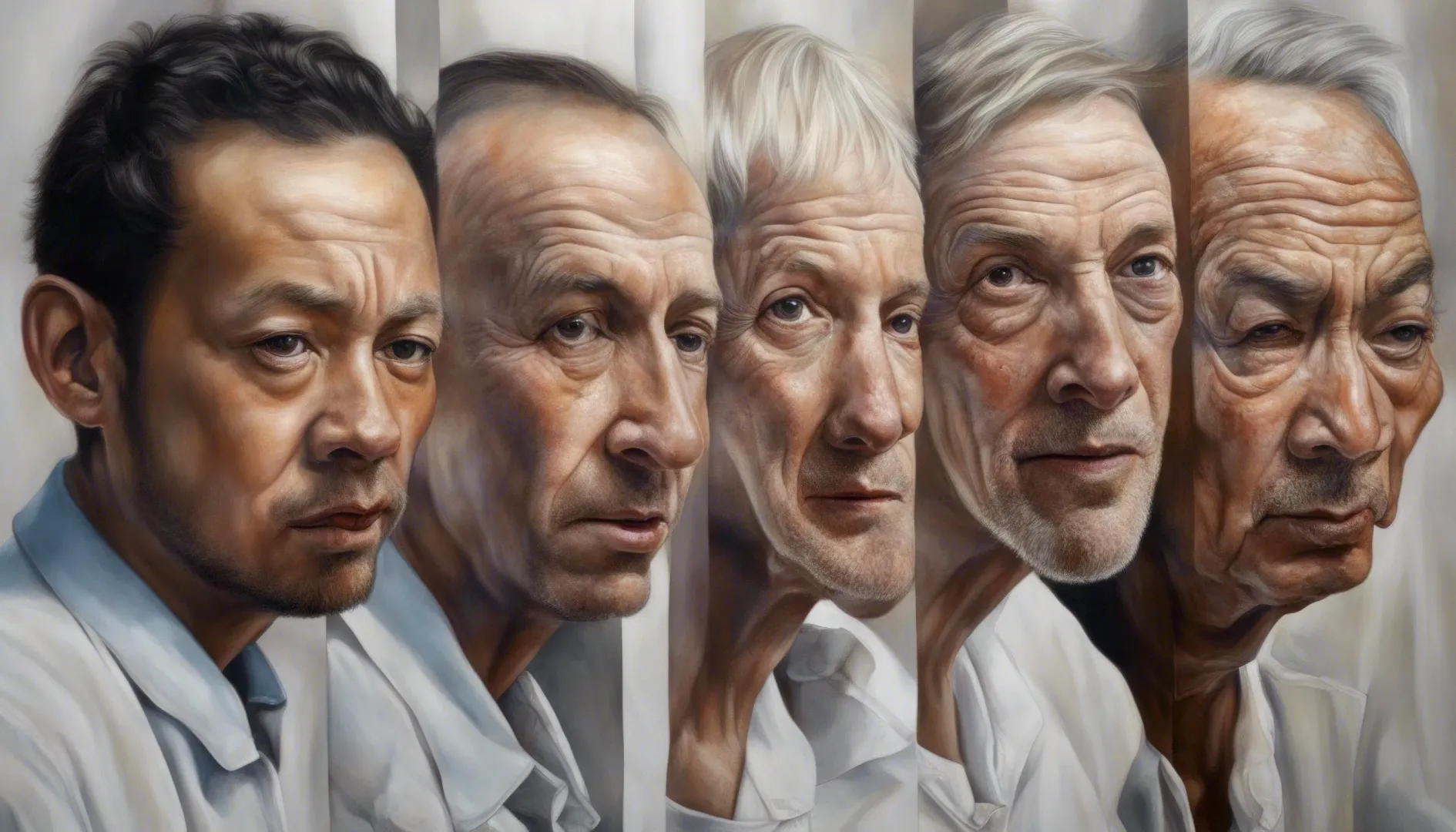
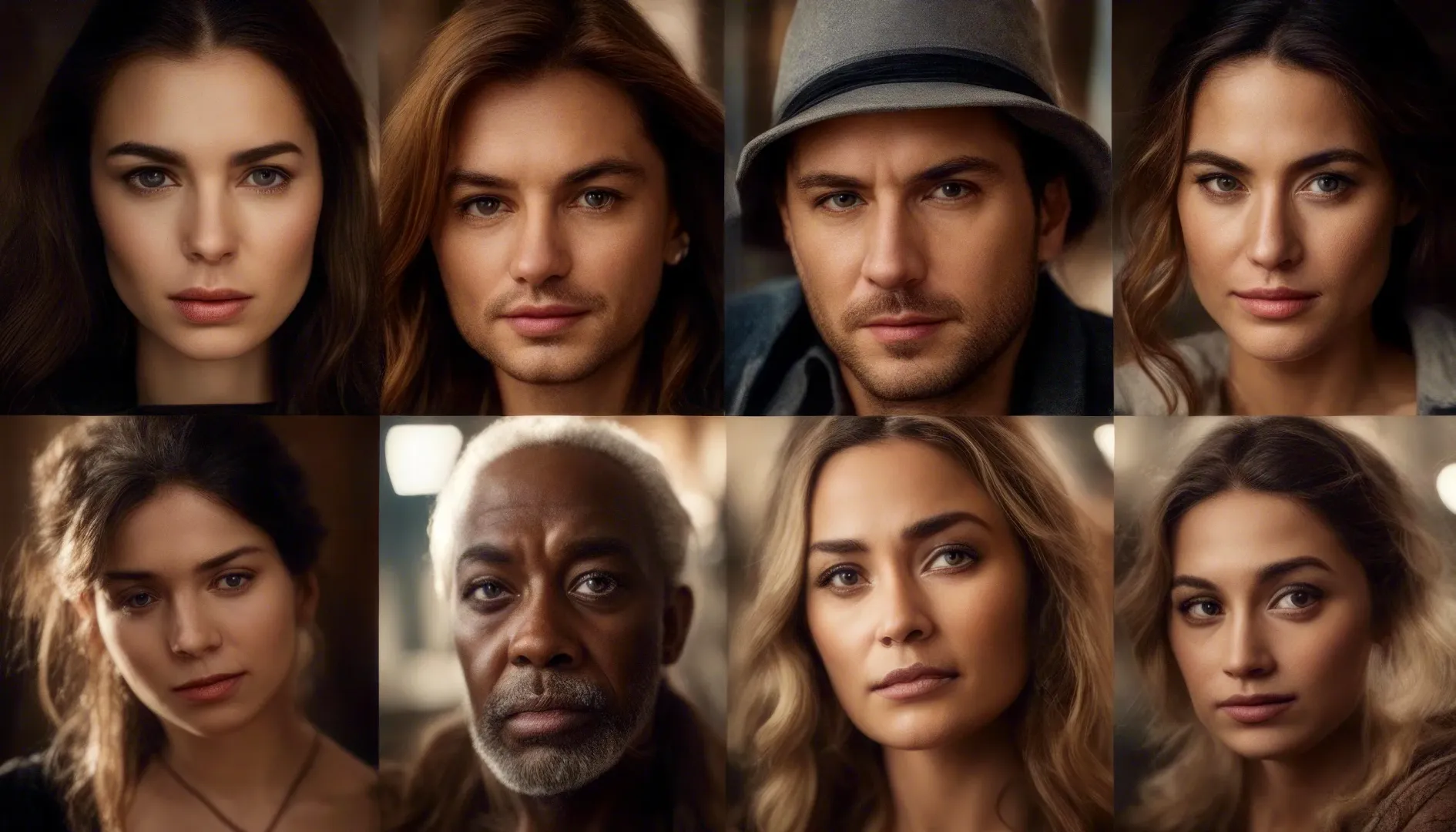
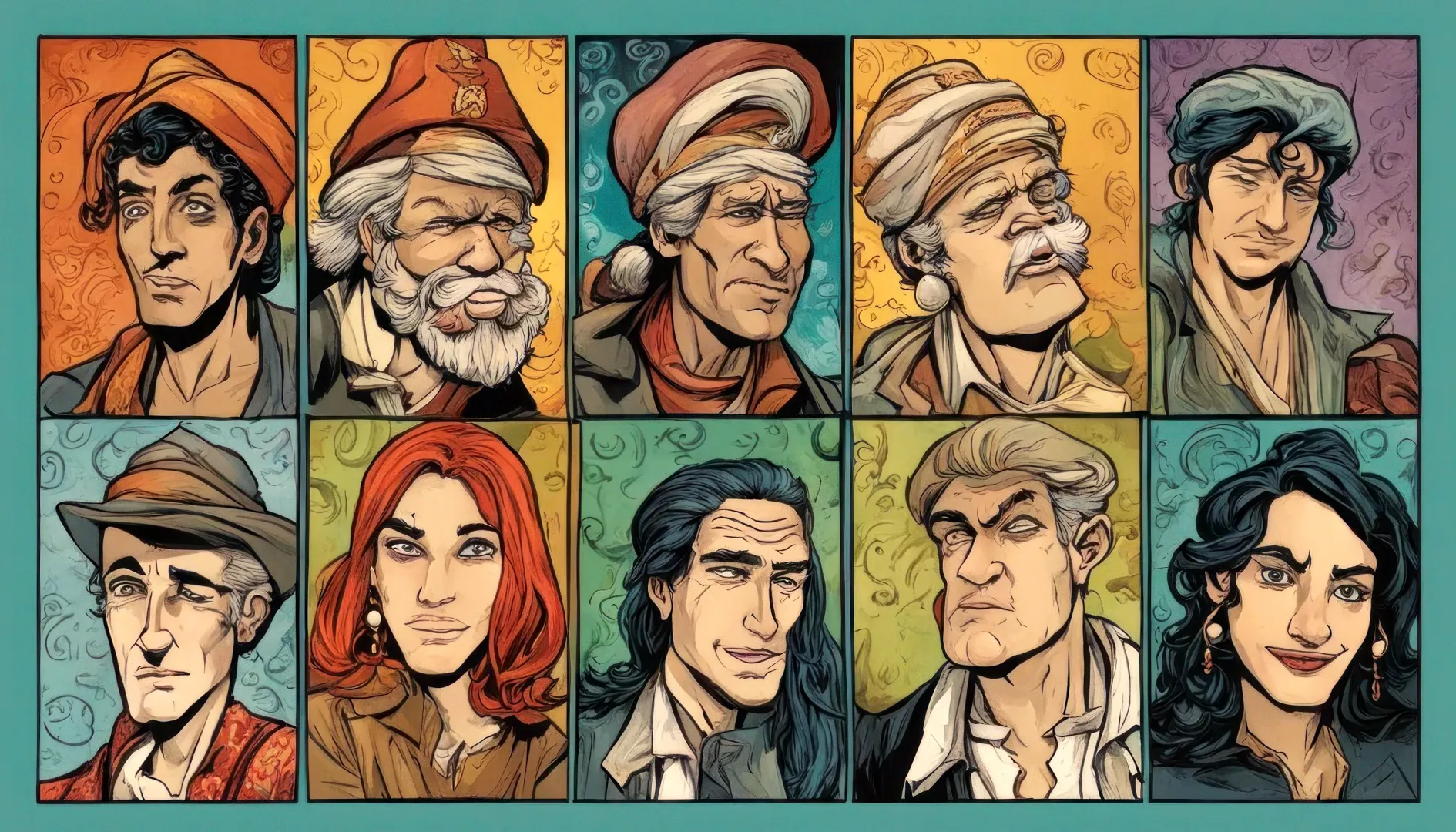
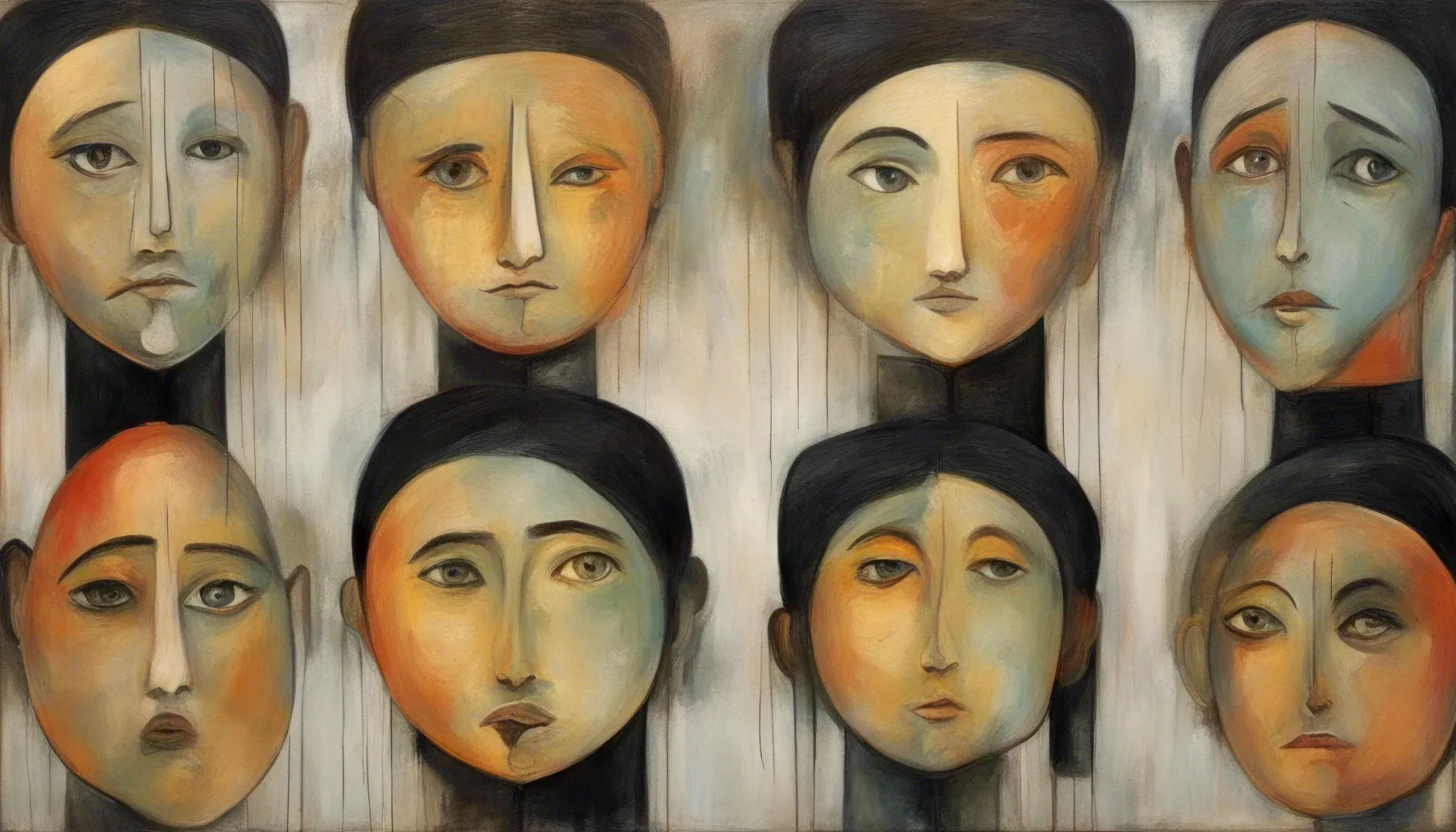
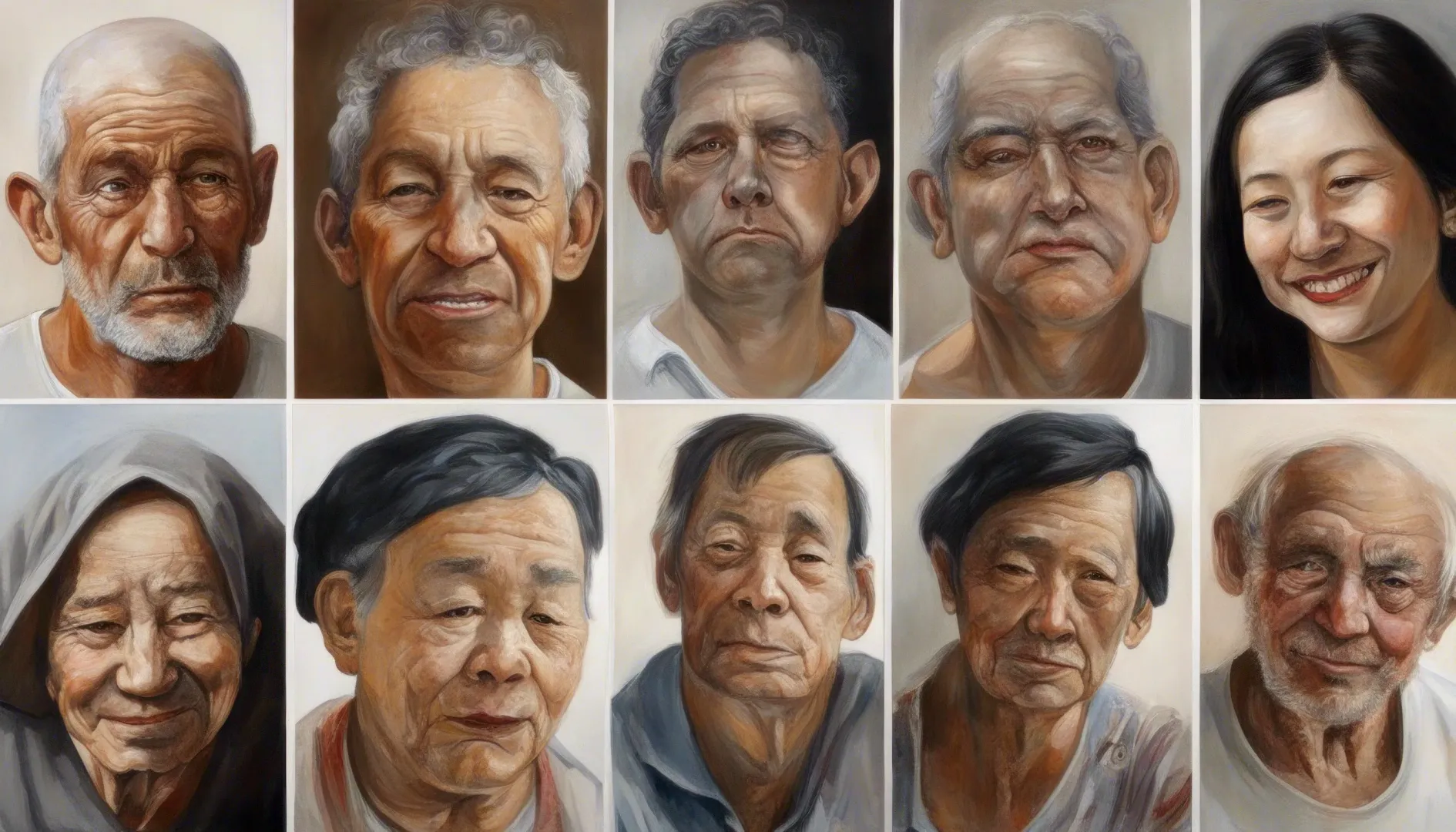
AI models such as neural networks can recognize and represent emotions in art by analyzing large datasets containing images of human faces and their associated emotions.
These datasets often contain a wide range of facial expressions that are labeled with the corresponding emotion, such as joy, sadness, anger, or surprise.
Pattern of an emotion
During the training, the AI model learns to recognize patterns that are characteristic of each emotion. This can be the position of the corners of the mouth, the shape of the eyes, or specific wrinkles on the forehead.
Once properly trained, the model can use these patterns to interpret emotions in new faces it hasn’t seen before.
Portraying emotions
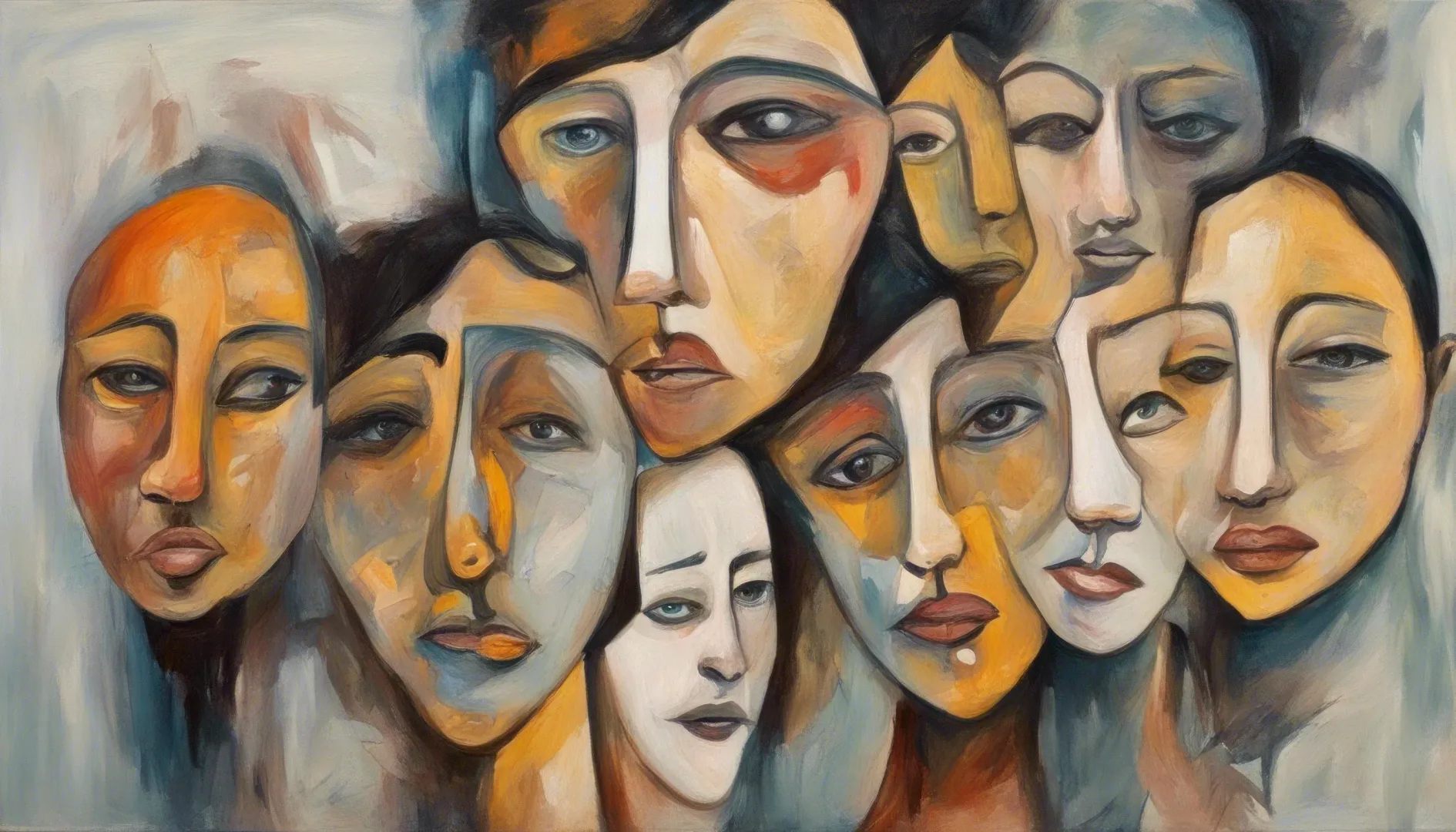
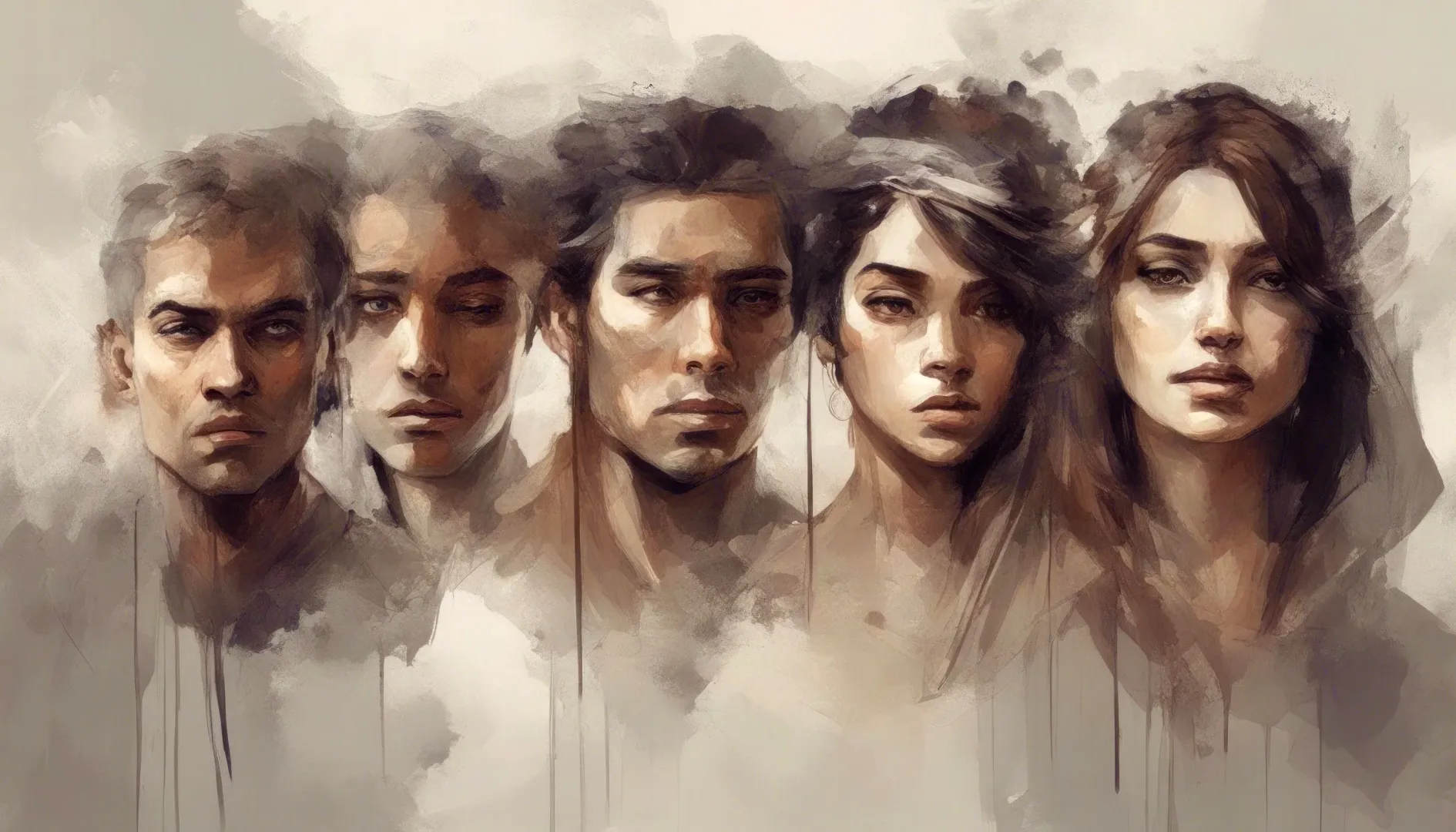
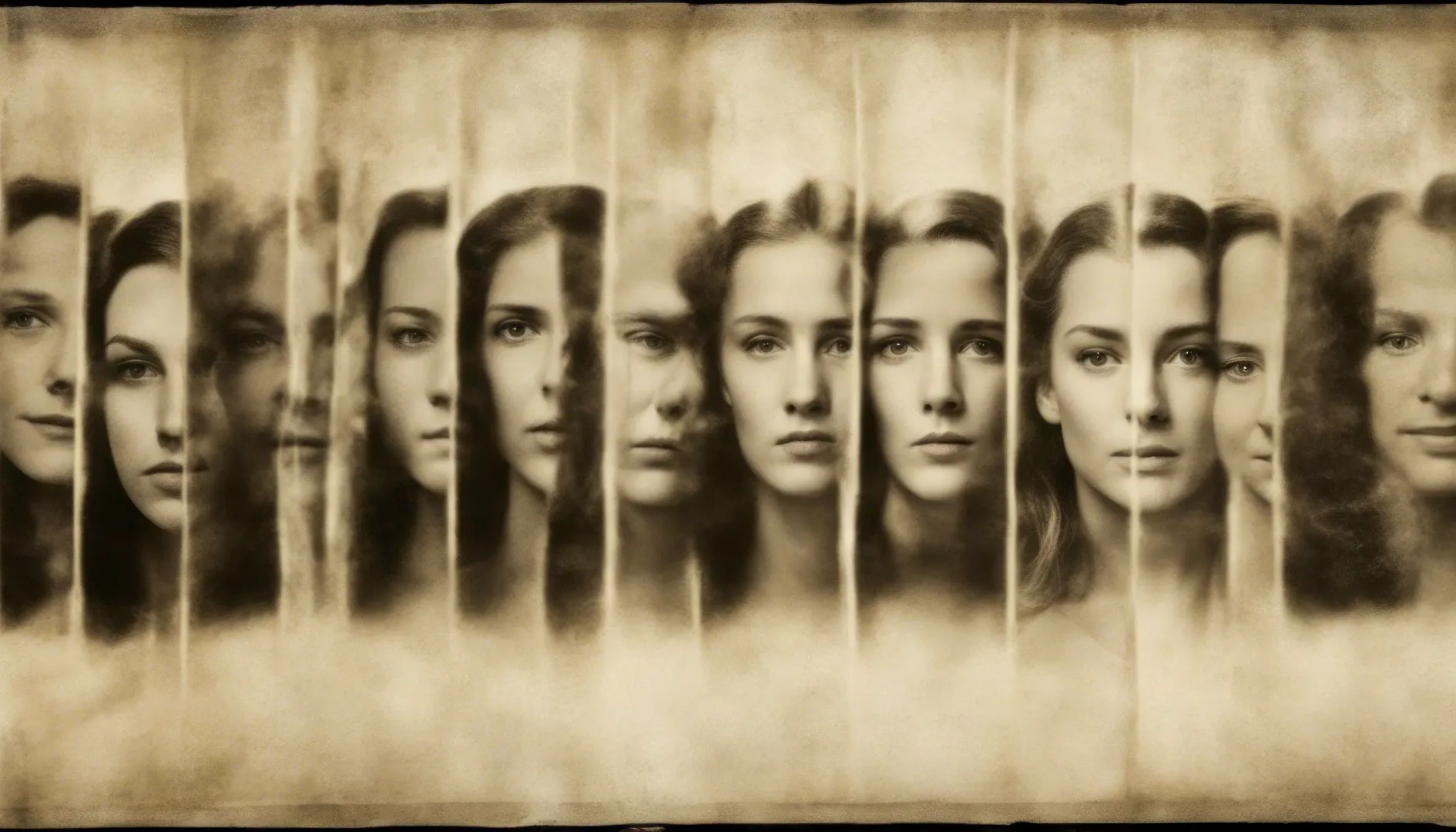
When generating art, the AI uses this knowledge to express emotions through visual elements. For example, it can adjust the angle and curvature of lines to suggest a sense of sadness, or use bright colors and upward lines to represent joy.
The result is a work of art that depicts emotions, often in a way that is similar to how a human artist would work, but with a unique, AI-influenced style.
Full-screen slideshow? Click on an image!